The pace of egg production is influenced by a variety of variables, both directly and indirectly. We must investigate the history of chickens in order to understand these aspects. The production of eggs is influenced by a number of variables, including age, feed intake, water use, light intensity and duration, illnesses, etc.
Older hens Aging is a major issue in the production of eggs. A hen may live for a very long time and lay eggs constantly throughout that time. Yet, its egg production rate abruptly drops after a few of years or three. Really, it depends on the caliber of the chickens you are keeping. A good layer will continue to lay eggs constantly for roughly 50 to 60 weeks before stopping. This stage is known as the molt. Poorer and older layers molt more often and produce fewer eggs continually.
Inadequate Nutrition: For a certain amount of time, chickens require a balanced meal that contains a sufficient amount of calcium and protein. The hens may cease producing eggs if their diet is inadequate. Calcium, energy, and protein levels that are out of balance may reduce egg production. For this reason, it's crucial to provide a constant supply of a balanced diet in order to get a constant supply of eggs.
Food imbalances may lead to a variety of issues, including oviductal prolapse. It generally happens when the eggs are excessively big or the birds are very obese. The chickens may suffer irreparable harm as a result of prolapse.
Rejecting vital nutritional components: The removal of crucial dietary elements is another significant aspect that encourages your chickens to produce eggs rarely.
Every animal need salt. Egg production will decrease if salt is taken out of the diet list. The majority of the food consumed by animals is salt in the form of sodium chloride. Iodine is not present in it.
Sodium is a crucial nutrient that helps to regulate blood ph, appropriate osmotic relationships, and body fluid volume. Another key component is chlorine. The release of HCl from the stomach aids in food digestion. Furthermore, chlorine maintains the osmotic equilibrium in bodily fluids.
Calcium: Calcium carbonate makes up the majority of a hen's egg shell. As a new hen is developing, its calcium requirements are quite modest, but after it begins to produce eggs, these requirements increase by around four times compared to earlier periods. A lack of calcium will result in a decline in egg production. It is possible to include calcium in the meal. Calcium may be found in abundance in limestone. You may include it into the meal you give your chickens.
Calcium must be absorbed in order for vitamin D to be present. Egg production will be reduced if the dietary component receives insufficient vitamin D. Both D3 and D2 types of vitamin D are present in feed. D3 is more active in birds than D2 is. Thus, you must only provide vitamin D3 as a supplement.
Protein: The need for protein is really a need for the amino acids that make up protein. Around 22 different kinds of amino acids are present in body protein, and they are all necessary. These cannot all be produced by hens, nor can they produce enough to satisfy their needs. Thus, chicken growers must add more protein to the given feed. The age, kind, and strain all affect how much of each amino acid is needed.
Managing blunders Moreover, a poor management system might lower egg output. Among the errors farmers often make are:
One of them is being foodless. The amount of eggs your chickens lay will decrease if you deprive them of food. The amount of time spent going without food affects how many eggs are produced. Verify that your birds have a sufficient amount of food.
Water is another crucial component. In the neighborhood of 70% of body weight is water. Reduced egg production might also result from inadequate water availability. Water has a greater impact on birds than food does.
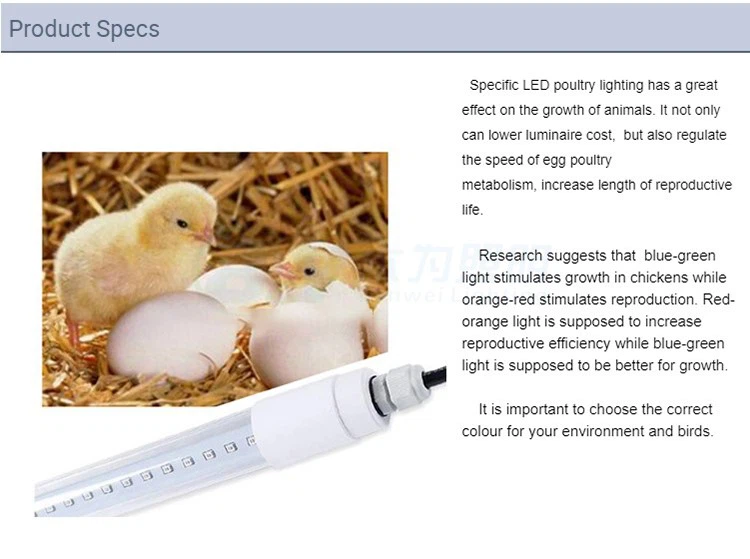
Another important element that affects egg production is daylight. At least 14 hours of daylight are required for hens. To promote egg production, light must be intense enough.